💡 Public Speaking: Is it Art, Science, or a Lighthouse?
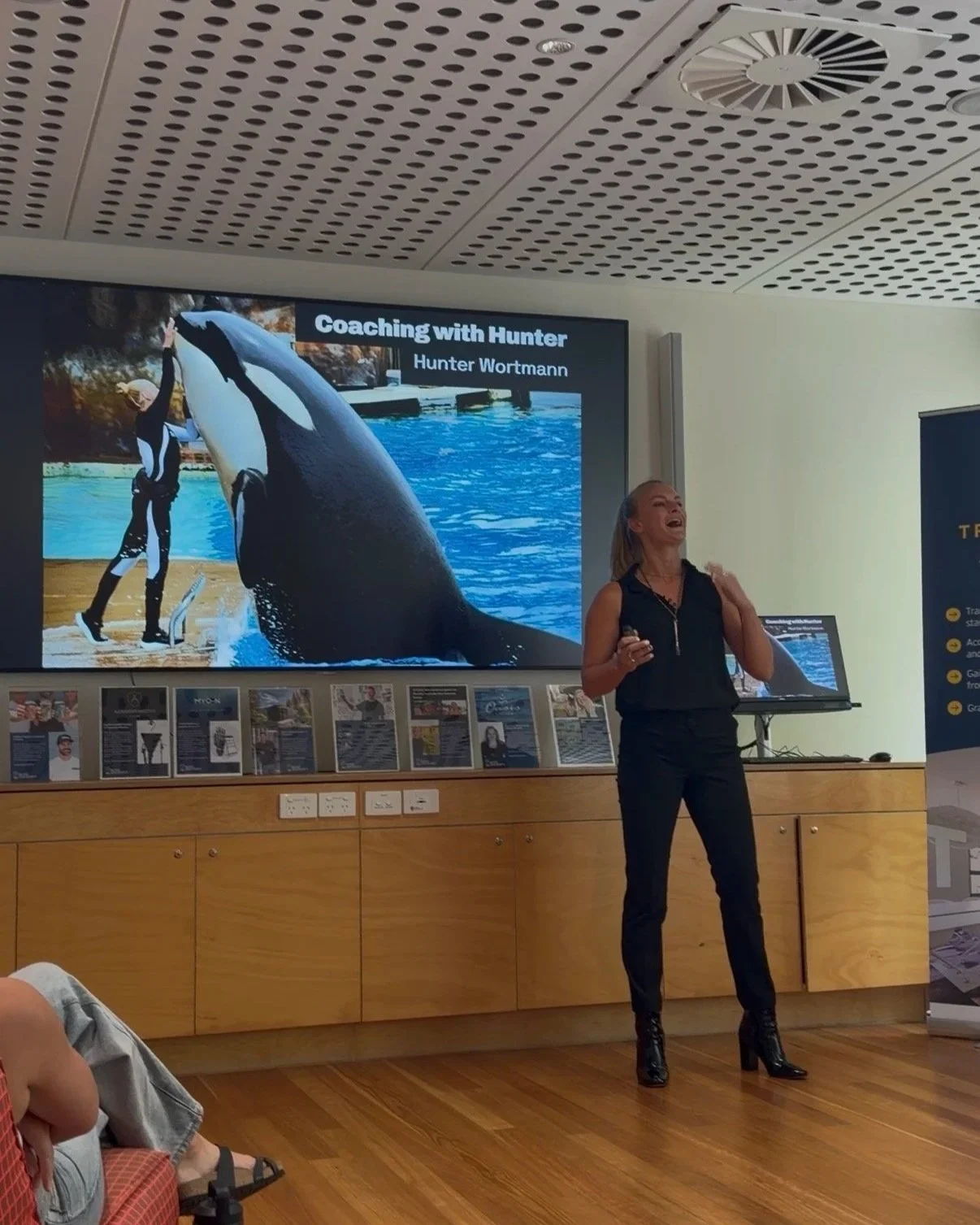
I used to present to over 5,000 people at a time during the Shamu show at SeaWorld. After four years of high-stakes, live environments, I felt untouchable.
Confidence? Check.
Improvisation? Second nature.
But recently, my MBA journey gave me a massive reality check.
I’ve had moments in the classroom where I "messed up." I’ve felt that heat of embarrassment when a presentation didn't land because I didn’t fully grasp the technical depth of the material or hadn't prepared as I should have. It was humbling. It should have been easy, right?
That’s when I realized that public speaking is an Art and a Science.
🎨 The Art: This is the delivery. It’s the hours of "practice, practice, practice." It’s your body language, your tone, and your presence. Without the art, your message is flat.
🧪 The Science: This is the "why" and the "how." It’s truly understanding your subject matter so deeply that you can field challenging questions from a board or a classroom. If you can’t explain the core idea simply, you aren't ready to present it.
But even with the art and science down, there is a third element: Perspective.
I recently watched a TED Talk by Jess Ekstrom where she distinguished between two types of speakers:
🔦 Spotlight Speakers: They focus on themselves. "How do I look? How do I sound? What do they think of me?"
🚨 Lighthouse Speakers: They shine the light outward. They ask, "What does this audience need from me right now?"
When we shift from a spotlight to a lighthouse, we stop performing and start connecting. We move from seeking approval to providing value.
So, as Jess said, whether you're center stage at a stadium or at the front of a boardroom: “Where are you shining your light?”